Ultimately, being a greenkeeper means living with nature, not controlling it. Our job is not to impose anything on it, but to accompany it, learn from it, and let it speak through the course."
Who is Tomás
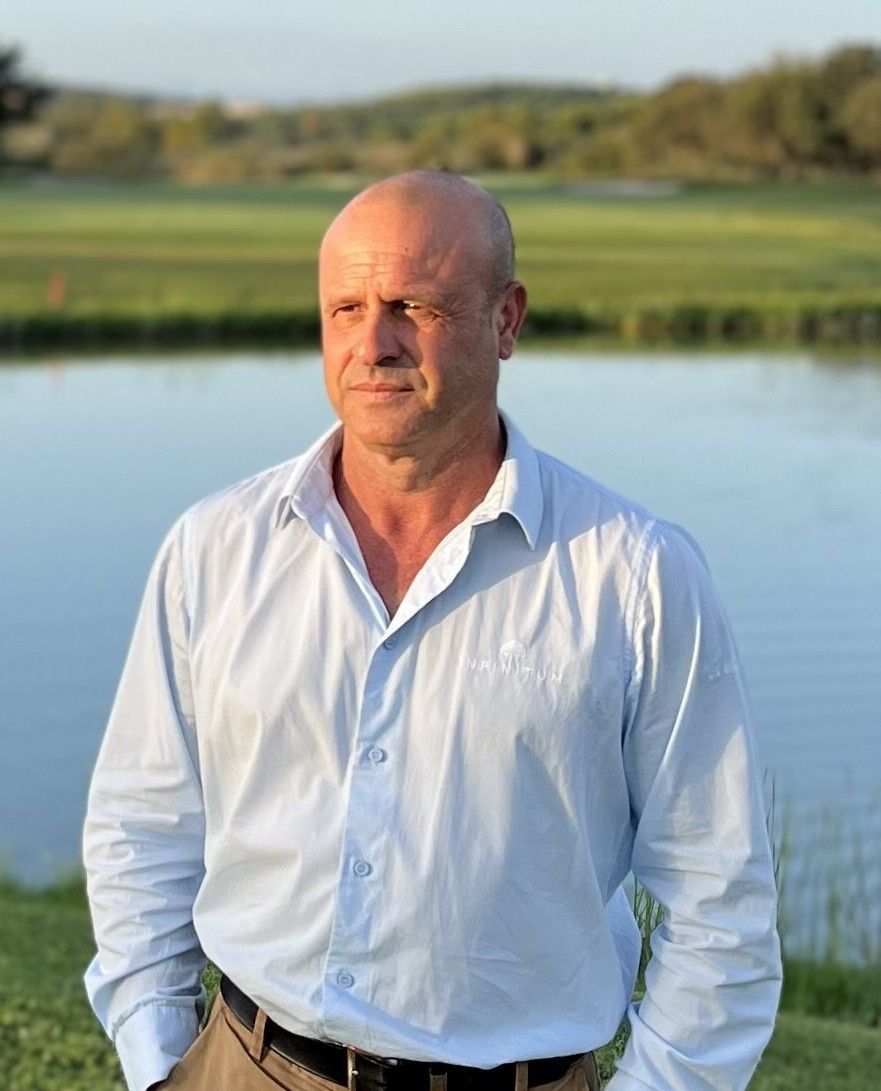
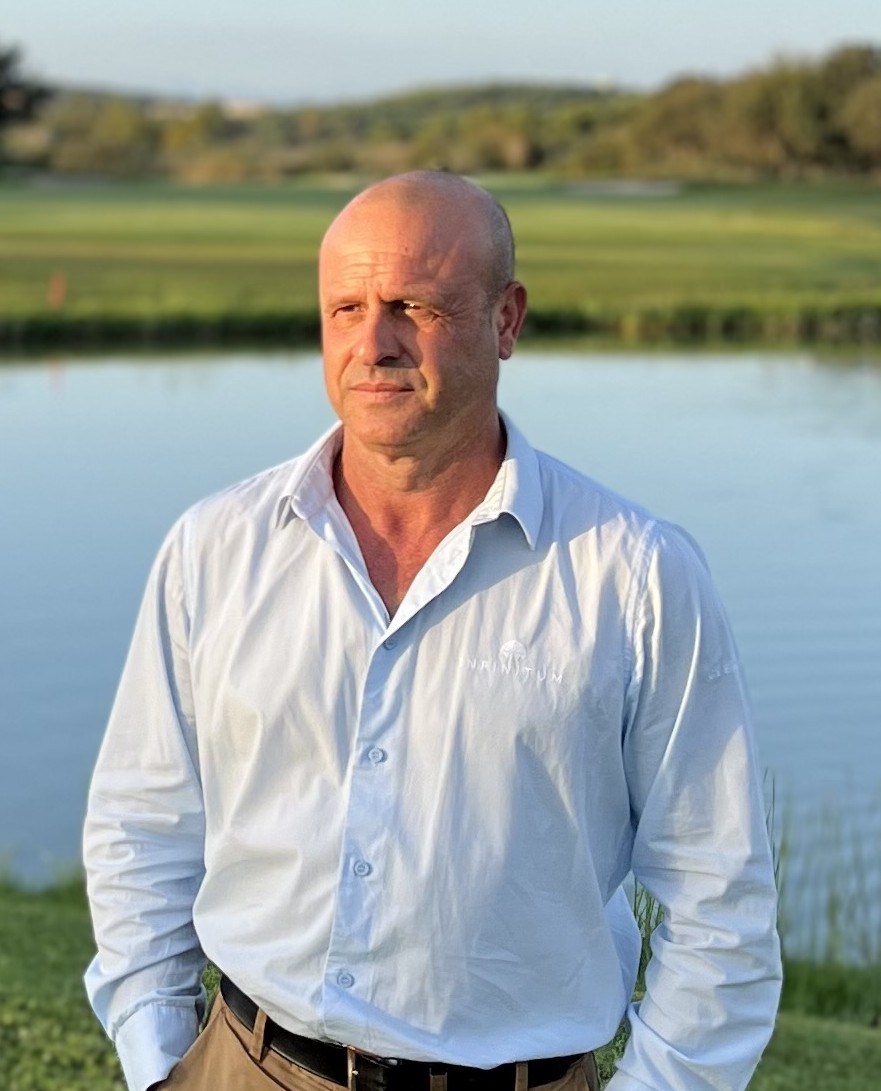
With 30 years of experience and eighteen at the helm of Infinitum, José Tomás Agulló is one of those people who embodies the profession of a greenkeeper with knowledge, passion, and a serenity that can only come from someone accustomed to observing nature every day. His career has taken him from family farms, to the construction, and management of golf courses, until he established himself at one of the most renowned resorts in the Mediterranean. For him, caring for a course means caring for an ecosystem: a task that requires precision, respect, and consistency.
Trajectory
How did you get into this profession and what attracted you to greenkeeping?
I come from a family of farmers. I've always enjoyed working outdoors, so I studied agronomy. While working in seedbeds and agricultural warehouses, I often passed by an area where they were building a golf course. Every time I saw the machines moving earth, I thought, “That's what I want to do.” Without really knowing what a greenkeeper did, I sent in my resume.
The owner of the company told me he couldn't pay me, but he offered to teach me. I accepted. For months, I went in one day a week until I ended up taking charge of the site while he was in the hospital. When he came back, he hired me. That's how it all started.
Then came years of construction, maintenance, and travel. I worked in Crete for almost a year, in Almería in the desert... until one day PortAventura called me to be part of the project that is now Infinitum. I left the mountains, and literally, a cave where I slept during construction, and since then this has been my place.
What moments would you highlight from your professional career? I have learned a lot from each stage. In the early years, it was all trial and error. In Almería, working with cold-climate grasses in the middle of the desert, I had to find impossible solutions: poor-quality water, extreme heat, and a deficient irrigation system. It was a great learning experience.
And at Infinitum, these eighteen years have taught me management, planning, and leadership. Here I have learned to combine agronomy with internal politics, to prepare each proposal in such a way that no one can say no to you.
Professional Achievements
What achievements are you most proud of?
Many, but above all the team we have formed. I especially remember the international tournament we had to prepare in just eight weeks. Everything was ready when, just as we were about to start, it poured with rain for three days straight. We worked twenty hours a day, without rest. No one thought it could be finished, and we did it. That was our great collective achievement: proving that we can do anything when we work together.
What innovations have you implemented in Infinitum?
All the water we use is 100% recycled, treated in a reverse osmosis plant that we manage internally. We have managed to drastically reduce costs and increase efficiency by installing photovoltaic panels, and we are collaborating with the University of Girona on recycling membranes from irrigation systems. Some of our membranes have been in use for more than 18 years, when the usual practice is to replace them every four years.
In addition, we have been reintroducing endangered species such as the marbled teal for years, and we constantly monitor the flora and fauna. We constantly study and care for our land.
Infinitum and the team
What makes your course special?
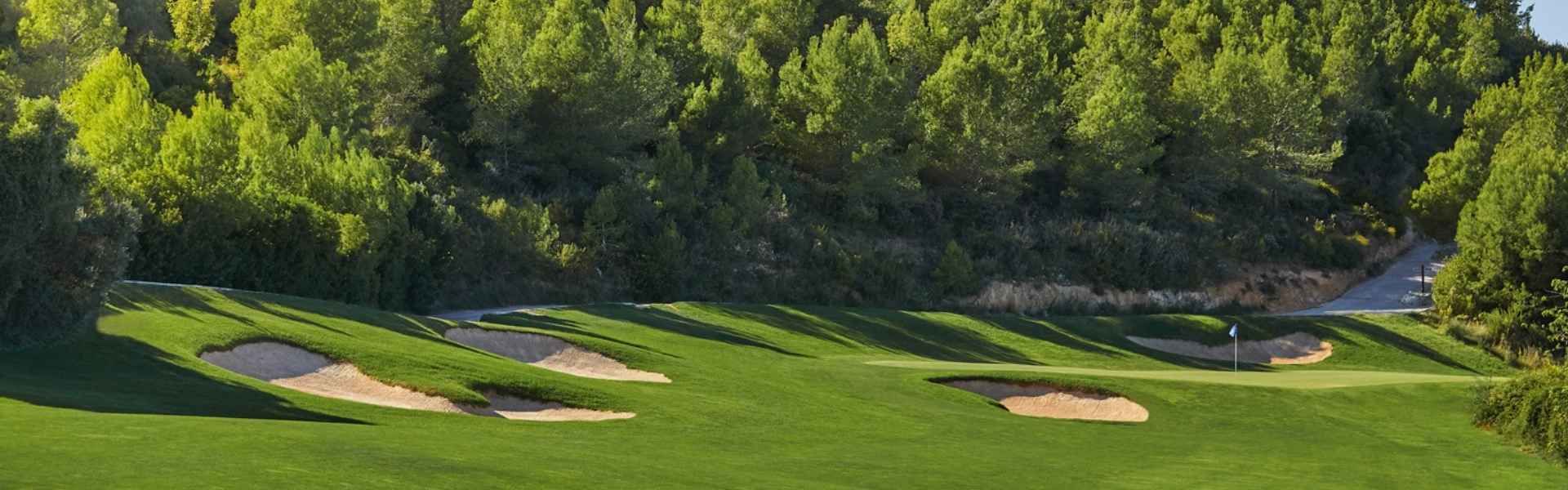
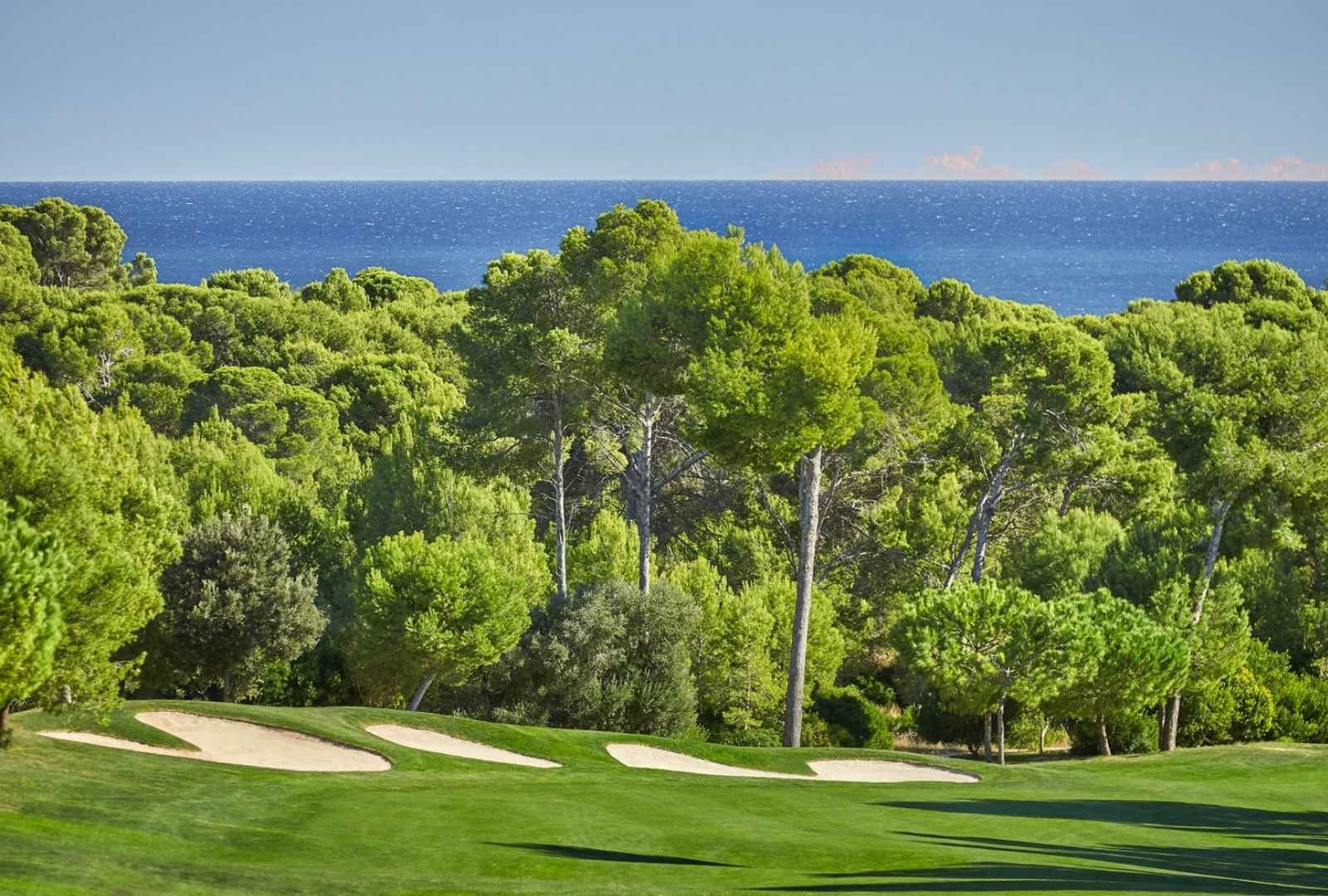
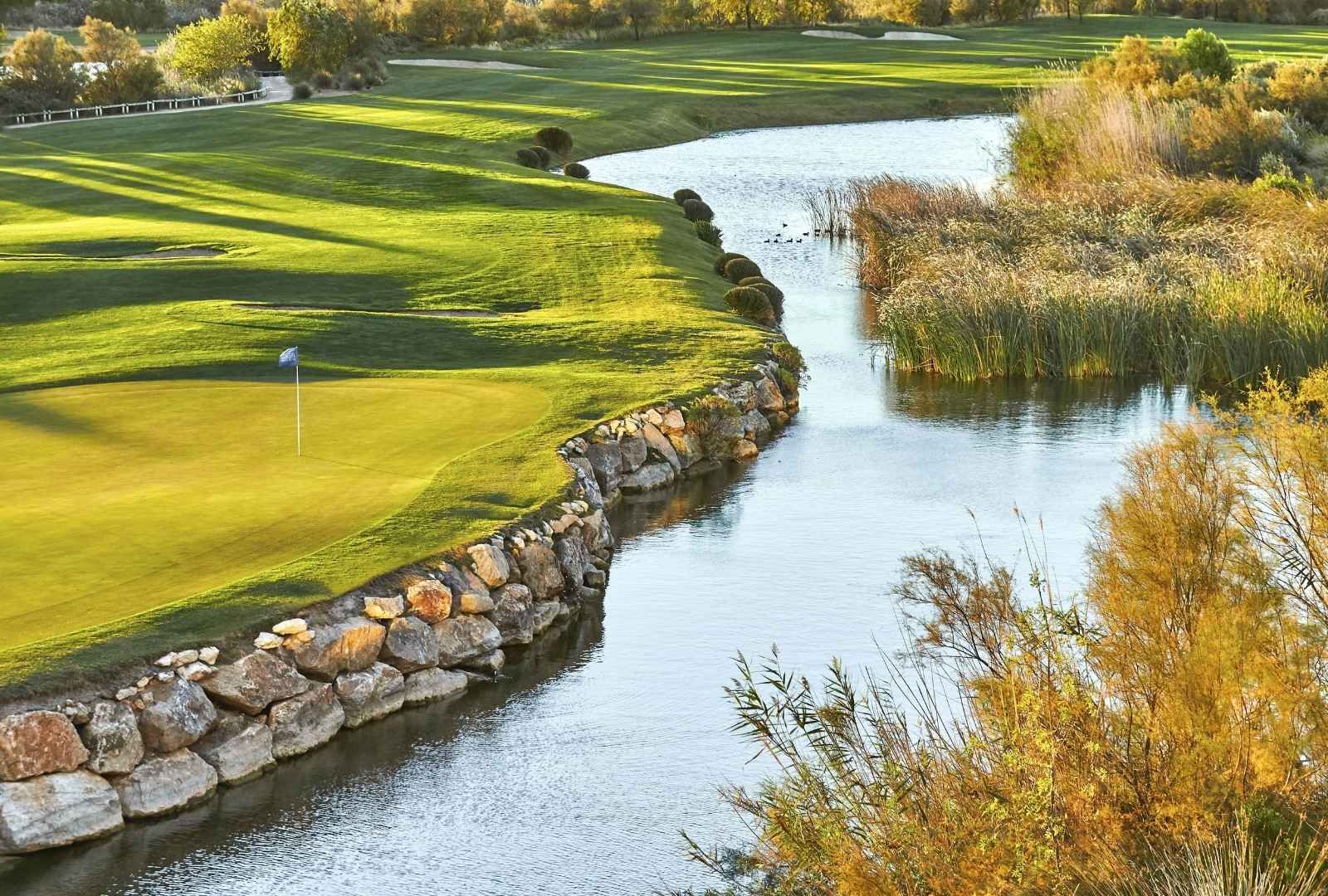
Infinitum has something unique: three courses that are together, yet completely different. One is integrated into a wetland, surrounded by reeds and tamarisk trees; another winds through pine forests; and the third is more open and technical. This diversity makes it a lively place, in constant contact with nature.
For now, there are no houses within the course, which makes players feel as if they are surrounded by pure landscape. It is a luxury that is difficult to maintain, but very valuable.
What projects or improvements are you most proud of?
The irrigation system. It's very important. Without adequate pumping and a good irrigation system, there is no field.
How do you ensure that everything is in the best condition?
We are a large team: 45 people. I set the general guidelines and three assistants supervise the day-to-day running of the fields. We have an excellent irrigation technician, because irrigation is the heart of the field. Without good pumping and precise water management, there can be no grass.
Philosophy and sustainability
Your philosophy is “to do things as naturally as possible.” What does that mean to you?
It means not forcing nature, understanding it and working with it, not against it. Sometimes we seek a perfection that doesn't exist: immaculate lawns, exact colours, uniform textures. But nature is imperfect, and that's where its beauty lies.
How do you balance playability and sustainability?
By adapting. Infinitum is in a climate transition zone. We used to use cold-climate species, but with climate change it was unsustainable to maintain them: they needed too many chemicals. Since 2022, we have been replacing everything with warm-climate species, which has allowed us to reduce the use of plant protection products by 80%. It's a huge change and proof that sustainability also improves management.
Leadership and Innovation
How do you keep up with industry trends?
I read a lot, participate in greenkeepers' associations in various countries, and stay in constant contact with suppliers, who are usually the first to know about new developments. I also follow research from American universities. Curiosity is essential in this profession.
What advice would you give to someone starting out?
Observe, ask yourself why things are done a certain way. This job isn't just about mowing grass: it's about understanding how nature reacts to every decision. And above all, study. Continuous training is what makes the difference.

How do you approach new technologies?
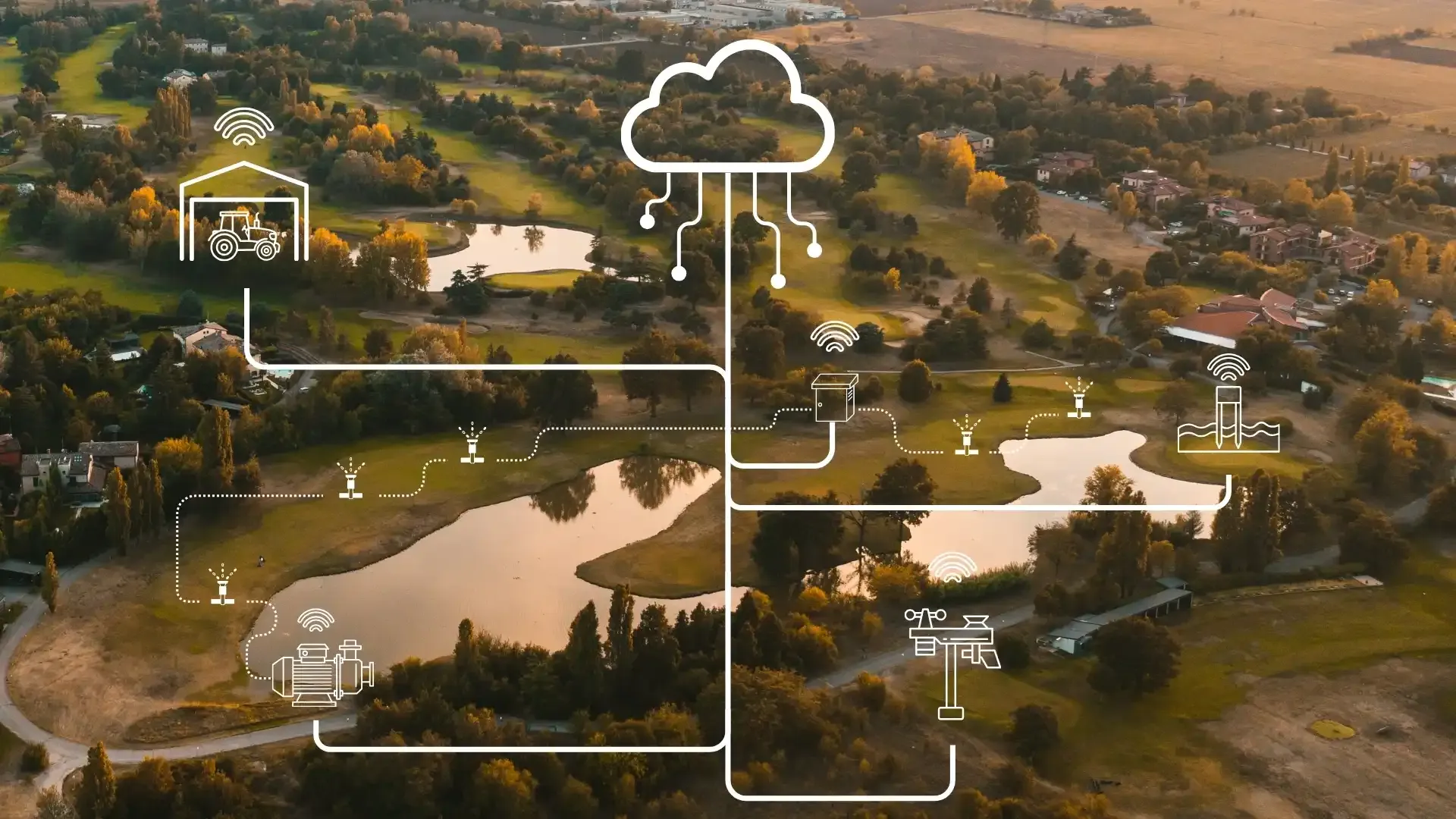
With interest, but also with caution. We always test before adopting something new. If something works, we keep it; if not, we keep looking. In recent years, we have experimented with weather stations, humidity sensors, and control software.
I believe that the future lies in artificial intelligence and the use of real-time data. Soon, satellites will be able to provide accurate information on humidity, chlorophyll, and growth, and that will transform the way we manage our business.
How do you approach sustainability and environmental management?
At Infinitum, we have four environmental certifications: EMAS, ISO14001, GEO, and Audubon International (Golf Signature). Our company is focused on respecting the environment, preferring to use organic products, and helping wildlife thrive with specific programs such as www.ordito.com for monitoring birds and plants.
Personal Perspective
What motivates you to give your best every day?
In addition to mortgages—which always help you get up early—what motivates me is the course itself. Every morning I want to see what has changed, what it needs, how I can improve it. It's like a living being: it's never the same, and it requires constant attention.
How do you manage the pressure of the job?
By learning to tune out when I need to. In this job, everyone has an opinion, but you have to distinguish between constructive criticism and noise. The important thing is to stay calm and remember that results are seen in the long term.
What do you do outside of work to recharge your battery?
I spend time with my family and go out into the mountains. I'm a hunter—an environmentalist hunter, as I like to say—because I enjoy nature in all its forms. Being outdoors is my way of disconnecting and continuing to learn about the environment.
Maya and the Future
As one of the first to adopt Maya, what value do you see in tools like this?
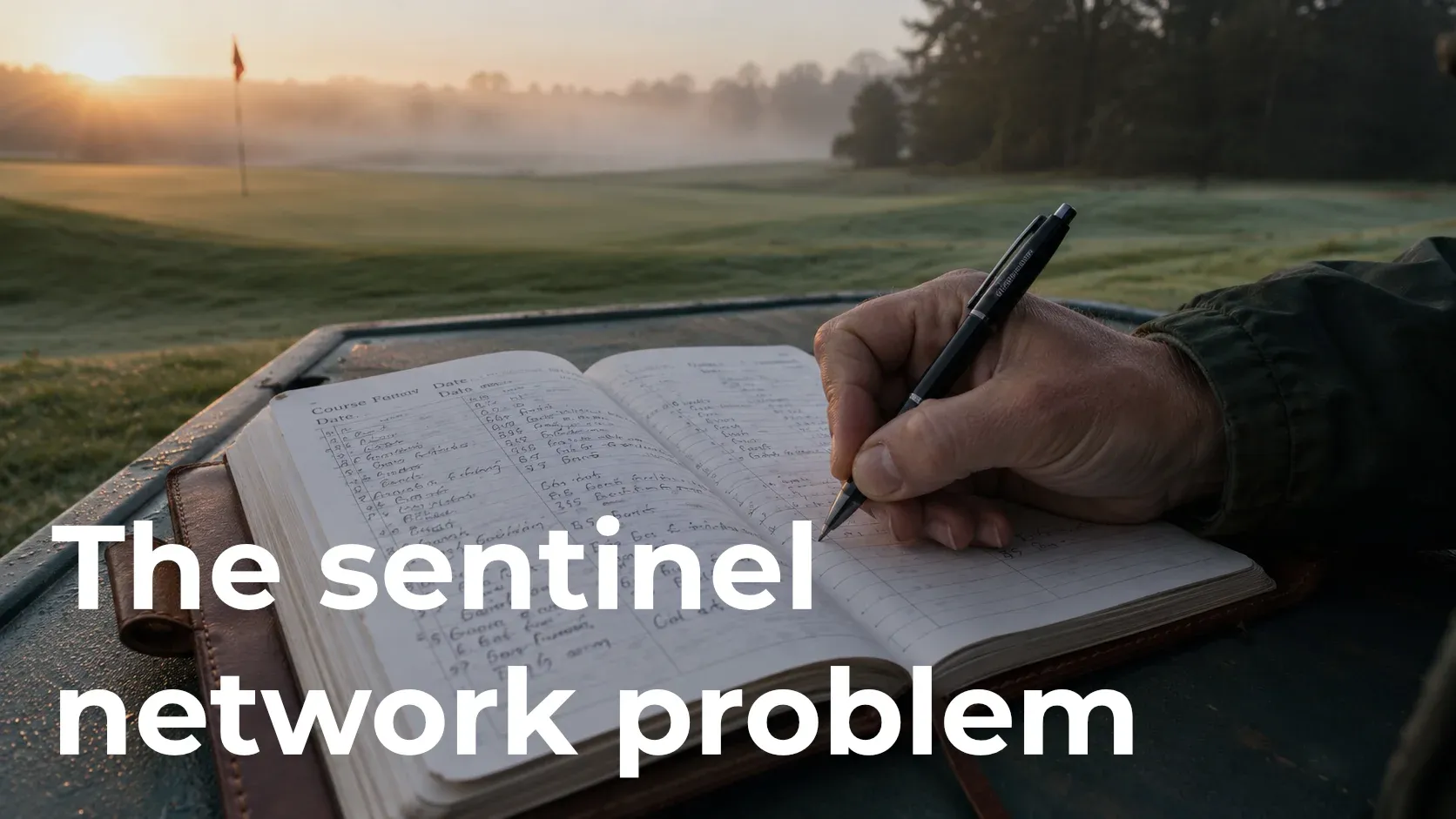
Maya has simplified our management. We used to work with lots of Excel spreadsheets to record irrigation, treatments, fertilization, weather conditions, etc. Now everything is centralized. The best thing is that you work directly on the application: once you do the work, the data is automatically recorded. It saves us a lot of office time and allows us to spend more time in the field, which is where we really add value.
How important is it to have reliable tools to support your professional goals?
It's essential. These tools allow us to better visualize what's happening and make more accurate decisions. Technology doesn't replace experience, but it amplifies it. When used well, it brings us a little closer to understanding what nature is telling us.